
DENTAL SEO / COSMETIC TREATMENTS
SEO for Cosmetic Dentists in the UK
SEO for cosmetic dentists in the UK should give composite bonding and veneers a clear place in the site. Split treatment pages when each supports a distinct patient decision. Use a comparison section or guide when visitors are weighing options and need help choosing what to discuss at an assessment.
AI narration · UK English

Do composite bonding and veneers need separate SEO pages?
Give bonding and veneers separate pages when each has a distinct service, set of questions and consultation path. Keep them together on an overview page if your practice offers one assessment and has limited material to explain meaningfully different services. Verify the naming with the dentist who provides the care.
Start with how patients search. “Composite bonding cost” points to questions about the published fee and what it includes. “Porcelain veneers consultation” points to a chosen treatment and an appointment. “Bonding vs veneers” asks for a comparison. Try the wording with your target location on a phone and record the types of pages that appear. Search results can vary by place, device and date.
Put the clearest patient task at the top of each page. Someone looking for bonding should be able to understand whether you offer it, which location provides the service and what happens at the first visit. A veneers page needs its own verified material, such as the options the practice actually offers and questions that influence the next step.
Create one main destination for each distinct service intent. If a practice uses “composite veneers” in its marketing, ask the dentist how that differs from its bonding offer and whether patients can choose between them. Keep both phrases explained where they describe the same appointment. Separate pages are appropriate if there is a clear distinction the practice can explain.
Use dental treatment SEO to map search intent alongside published facts and booking ownership. For every proposed page, write down the lead question, one verifiable fact, a relevant next step and who reviews the copy. Fold the material into another page when you cannot provide anything distinctive.
Where should a bonding-versus-veneers comparison live?
Use one comparison section if the choice can be explained within a treatment overview. Use a separate guide when you can answer several distinct comparison questions and link onward to useful treatment pages. Give the reader a way to prepare for a consultation and have a clinician check any clinical explanation.
Choose the location based on the reader’s next action. A cosmetic consultation page that covers both treatments may carry a short comparison if most patients book the same first visit. A separate guide can make sense when patients need clinic-reviewed answers about consultation steps, what a quoted fee covers and questions they should ask about aftercare.
For an illustrative UK practice, put bonding and porcelain veneers on different service pages and add one “bonding or veneers?” guide. Each service page links to the guide with a decision-focused anchor, and the guide links back using clear treatment names. Add a link to the shared cosmetic consultation page if that is what reception books.
Keep the explanation understandable without guessing which option suits a reader. For example, a comparison can say that patients should ask what their quote includes and who provides follow-up. Let the clinician give the detail and evidence needed for specific claims about lifespan, suitability or differences in preparation. Use local consultation rules whenever the practice offers more than one type of first appointment.
Give the editor a question list based on the actual conversations people have at your practice. “Does the published quote include the first appointment?” and “Which office can answer questions about repairs or follow-up?” may produce more usable content than generic promises about a smile makeover. Confirm each answer with whoever provides the treatment and whoever handles the enquiry.
If the practice mostly receives enquiries for cosmetic assessments, start with the shared page and one comparison. Ask reception what patients are confused about. Add service detail when you have the clinical input and a reason to answer a distinct query. A page that just swaps “bonding” for “veneers” repeats the same journey without helping people decide.
| Search | Recommended destination | What the page should answer |
|---|---|---|
| Composite bonding near me | Bonding service page | Where it is offered, what a consultation covers and how to ask about fees |
| Porcelain veneers consultation | Veneers service page | Which branch provides the service and what the first visit involves |
| Bonding vs veneers | One comparison guide or overview section | Questions to discuss, options to explore and next step |
| Cosmetic dentist in the area | Cosmetic overview at a genuine branch | Team, available procedures, practical details and contact route |
What should UK cosmetic dentistry pages say about fees and evidence?
Give readers the clinic’s verified fees and the unit they apply to, such as per tooth or per consultation. Explain the difference between a published offer and a fee confirmed after assessment. Follow GDC advertising guidance and have the clinician and practice manager review photos, pricing and treatment wording.
If a page states a starting price, explain what the amount covers and who can confirm any additional fee. Include whether the initial visit carries a charge, where the appointment takes place and whether patients can request it directly. Check the same information on the fee page and with reception before publishing prices in a comparison.
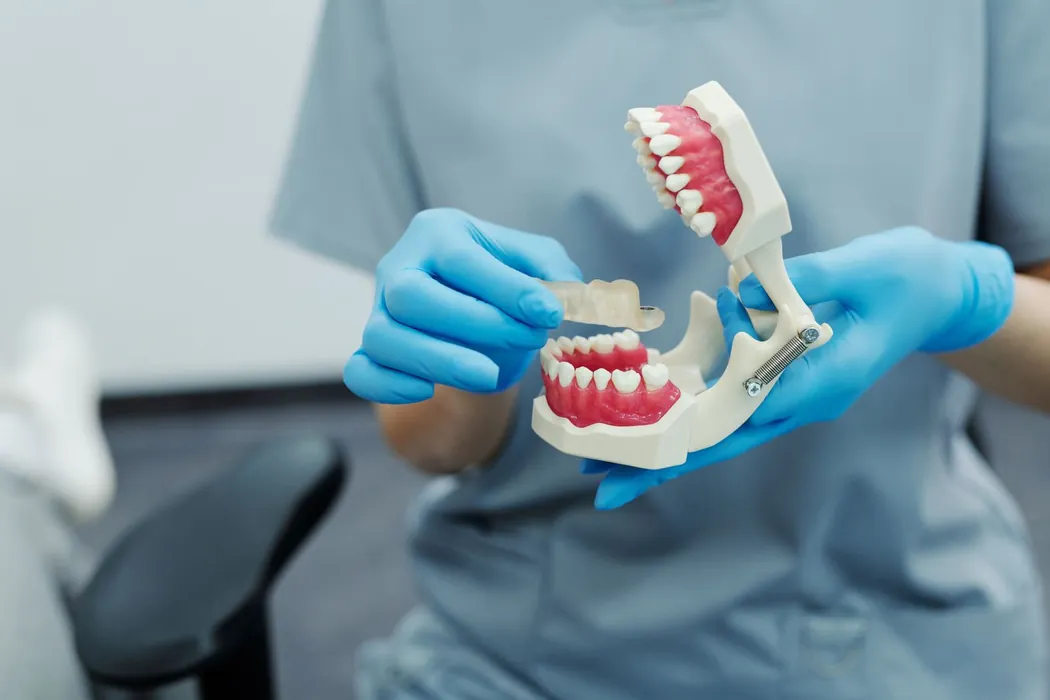
Review claims with the responsible clinician. A patient story that includes pictures needs approval and appropriate permissions. Caption authentic imagery to explain what it shows and keep any consent or approval records in the practice’s systems. Stock photography can illustrate a consultation. Avoid suggesting the pictured person is a practice patient or the image shows a treatment result.
Explain funding only where it helps a reader choose a route. The NHS describes when dental treatment is available and says cosmetic treatment usually needs to be accessed privately. Verify the practice’s own services and wording with reception. A US location may need a different statement about payer arrangements or self-pay fees. Keep the information specific to the branch and country it describes.
Create a short review log for page title, fee wording, photo permissions, date and owner. A quick monthly review can spot expired offers, dead booking links and outdated practice photos. For edits that change clinical material, send the exact passage to the clinician and record the approved version.
How can you detect treatment page overlap in Search Console?
Filter Search Console by a relevant query or query group, then compare the URLs receiving impressions and clicks. Decide whether both pages satisfy different tasks before merging anything. If one page best answers the query, reinforce its role with relevant copy, internal links and a consistent booking action.
Imagine that a practice’s bonding overview and a duplicate local landing page alternate for “composite bonding appointment”. First check the content, canonical settings and whether either serves a genuinely different branch. If the pages cover the same service and location, choose the stronger destination and plan a permanent redirect if you retire the duplicate.
A comparison guide can still appear for treatment searches. Treat that as a question to investigate. If visitors want a decision guide, keep the comparison useful and retain its own canonical. If the guide promises appointments that only the bonding page can book, improve the link and clarify the next step. Check the result against actual reception outcomes.
Record search terms, landing pages, intended page and the action you took in the same review sheet. Then annotate the date when the change goes live. Look at query and page trends over a useful window and check the actual contact path on mobile. Early fluctuations may be hard to interpret when a practice receives few relevant clicks.
If you retire a duplicate page, update the internal links that still point to it and check that the new destination helps the same patient. Remove the retired URL from the sitemap. Give the person who owns local listings a note about the change in case a profile or directory still sends people to the retired address.
Keep one clear owner per patient task in your content inventory. Track the preferred URL, supporting pages, the clinician responsible and the consultation link. Then review which pages earn qualified enquiries for each treatment. Use RankDigital’s dental SEO services or the dental SEO audit checklist to identify the highest-priority change before commissioning more pages.
Key takeaways
- Build each treatment page around a distinct patient decision.
- Write one useful comparison and link to it contextually.
- Verify fees, claims and booking destinations before publishing.
Featured photo: Cedric Fauntleroy on Pexels · Inner photo: Cedric Fauntleroy on Pexels
Summarise this article with AI
Open an assistant. For Claude, Grok or Poe, copy and paste the prompt.
 ChatGPT
 Claude
 Perplexity
 Google AI Mode
 Quora Poe
View or copy the prompt
Get Your Free
Dental SEO Audit
Find out how your clinic can rank higher, get more local
visibility and attract more patients — with a free, no-obligation SEO audit.
SEO analysisClear growth
opportunitiesActionable
next steps

Related articles
 RankDigital
What a Dental SEO Audit Should Include
Use this dental SEO audit checklist to review search access, Google Maps, treatment pages, mobile booking and enquiry tracking. Includes a sample finding.
Explore RankDigital
Local SEO for Orthodontists in the UK
Improve local SEO for orthodontists in the UK with clear children’s referrals, adult consultations, branch pages and a practical catchment review.
ExploreSTART WITH YOUR BIGGEST OPPORTUNITY
Let’s turn the next question into a clear plan.
Share your website, your priorities and what you want to improve.
Request your free audit